Mercury had been banned since 2013. In 2016 it was sold at the Zaruma market, burned in kitchens in Portovelo and carried 160 kilometers down the Puyango basin into Peru. Seventeen studies knew it. Nobody had sounded the alarm.
Despite many reports on the impact of mercury in the southern mining region, the contamination has not slowed. Nearly 80,000 people are exposed to harmful levels.
Since 1993, Ecuador had suspected that the rivers of Portovelo, Zaruma, Piñas and Camilo Ponce Enríquez were poisoned. Seventeen studies and reports, reviewed one by one for this series, turned suspicion into certainty: the water, the air, the soil, the milk, the fish and a large share of the area's 80,000 residents carried mercury or lead above any standard.
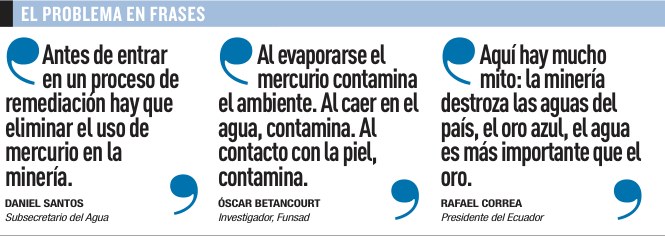
The mechanism is old. To separate gold from rock, miners use cyanide and then mercury. Whatever is not burned off into the air is supposed to go by truck to the state tailings facility. Half a dozen plant owners said it bluntly, on condition that their names not be published: only part of it is sent. The rest is dumped in the river.
The numbers were shameful. Mercury Watch, a program endorsed by the United Nations, ranked Ecuador in 2013 as the world's fourth-largest mercury emitter: 50 tons a year, enough to fill the hold of a Hercules aircraft. Kevin Telmer, president of the Artisanal Gold Council, summed it up in an interview: "Basically your rivers are dead."
The Mining Ministry declined to comment, citing its spokesperson's "tight schedule." The Environment Ministry did not respond. The Health Ministry told the National Assembly in September 2015 that it was only beginning to gather information. Meanwhile, a study by the National Autonomous University of Mexico, still unpublished when the series ran, had measured 2.9 milligrams of mercury per kilo of sediment in the rivers: more than eleven times the international limit of 0.25.
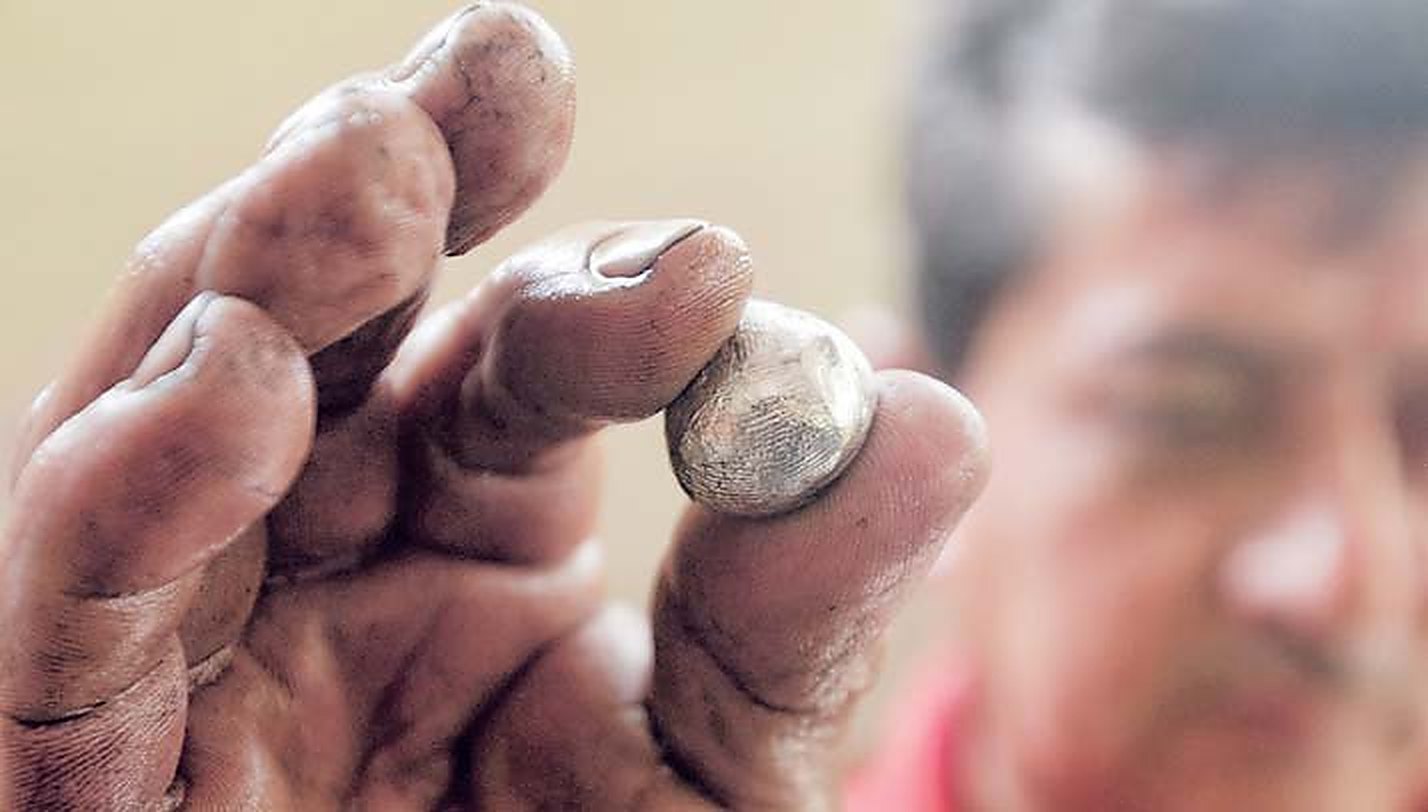
Basically your rivers are dead, because it is a deadly combination.
Kevin Telmer, Artisanal Gold Council

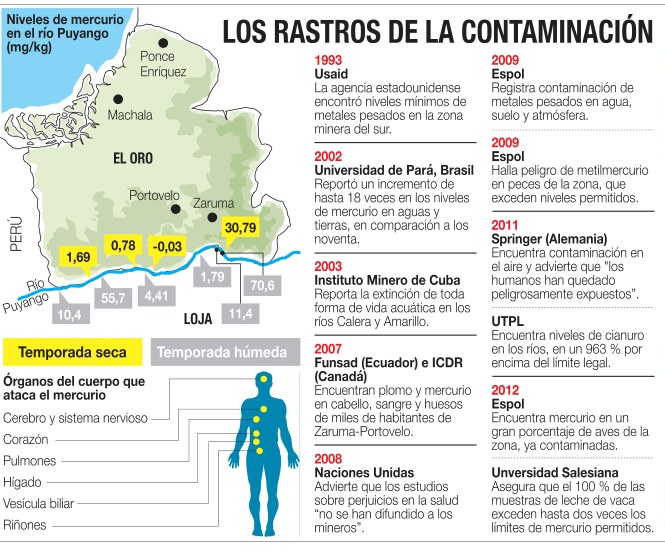
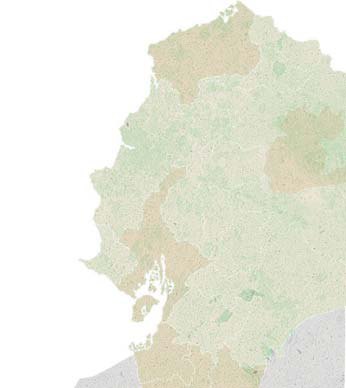
Mercury in river sediments in the southern mining region, in milligrams per kilo. The recommended international limit is 0.25.
Studies and reports that documented the contamination before the series. Reconstructed from the original infographic "The traces of contamination."
Finds minimal levels of heavy metals in the southern mining region.
Reports up to an 18-fold increase in mercury levels in water and soil.
Reports the extinction of all aquatic life in the Calera and Amarillo rivers.
Finds lead and mercury in the hair, blood and bones of thousands of residents of Zaruma and Portovelo.
Warns that studies on health damage have not been shared with miners.
Records heavy-metal contamination in water, soil and air; methylmercury in fish.
Finds air pollution and warns that humans have been dangerously exposed.
Mercury in a large share of birds; cyanide in rivers up to 963% above the legal limit.
Metals in 46% of soil samples. Ecuador, fourth-largest mercury emitter in the world.
160 km of the Puyango basin are "dead rivers." The government acknowledges mercury poisoning in up to 56% of the population.
Does not consider it possible to remediate methylmercury downstream.
Measures 2.9 mg/kg of mercury in sediments: more than eleven times the limit. Study unpublished at the time of the series.


The toxic metal has been illegal in the country since 2013, and the deadline to phase it out expired in 2015. But it can be found on the black market for up to 75 dollars a pound, and it is burned in kitchens.
On paper, the problem was solved. The 2013 reform of the Mining Law banned mercury and allowed two years to eradicate it. The deadline passed in 2015. In April 2016, we went to buy some. "You go past the church, ask a little further down and you'll get it. A pound goes for 65 dollars. You can also go to El Pache, where the plants are. They'll sell it to you there for 75," miner Patricio Aguilar explained. At the central market in Zaruma, a man known as Videlita sold it in small soda bottles.
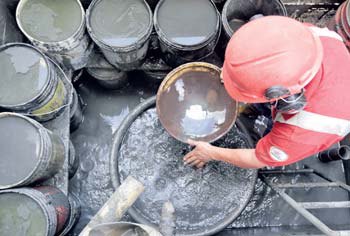
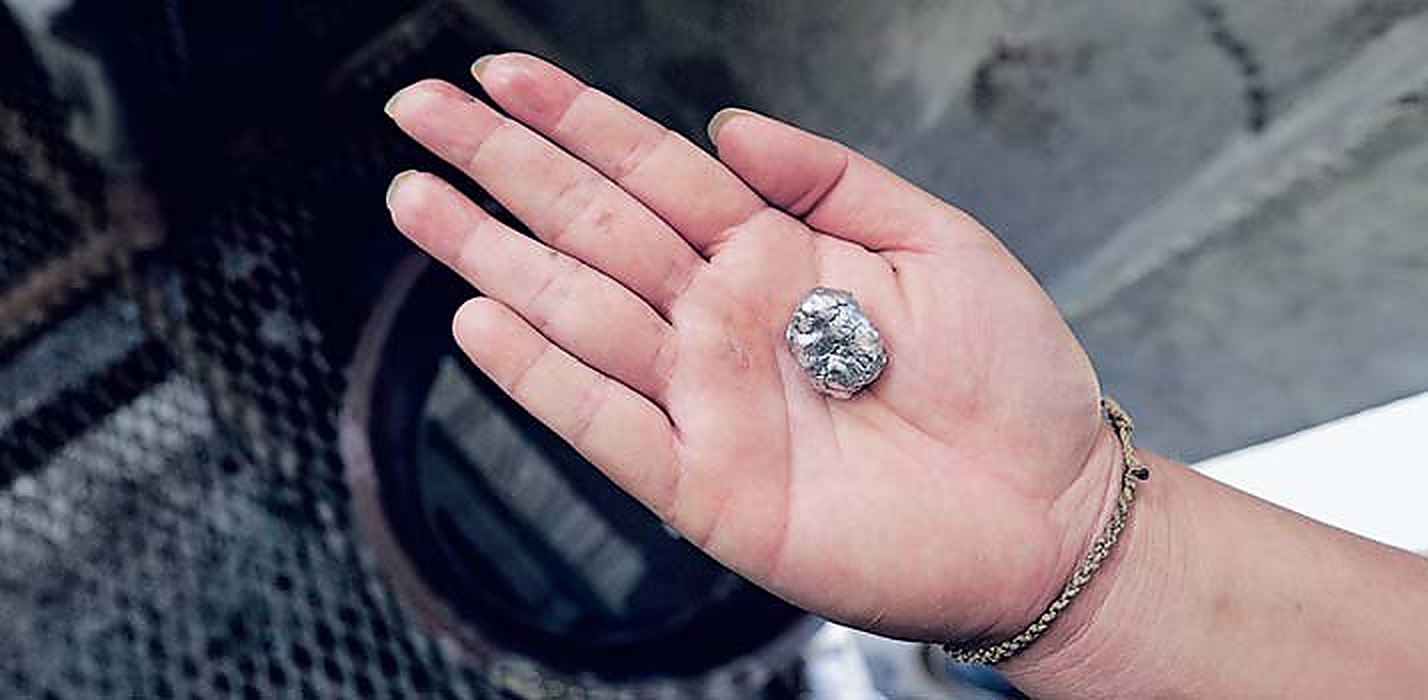
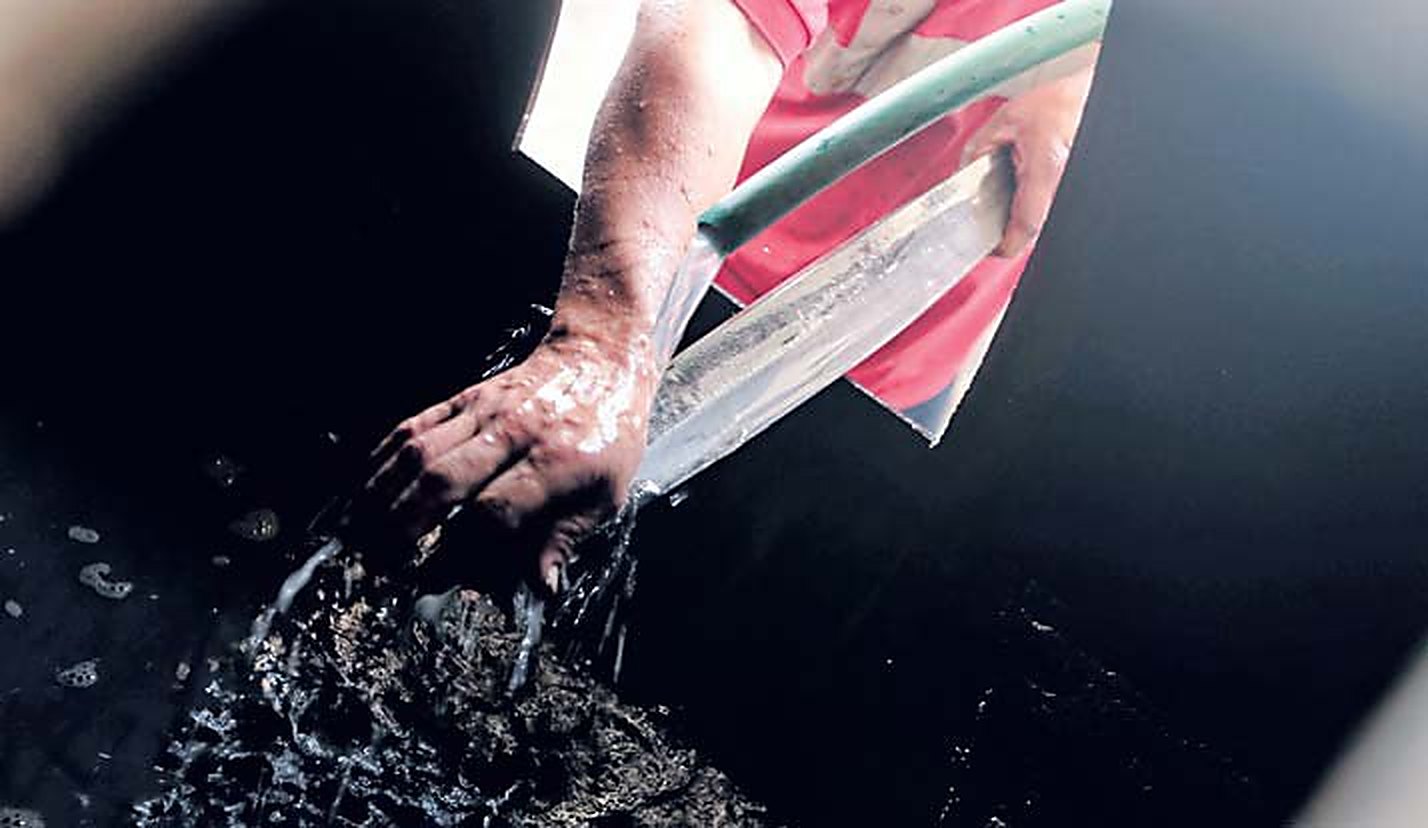
The processing plants found ways to dodge inspections. At one of the 82 operating in the area, the mercury section was set apart, padlocked, with no signs. "When the Arcom people come and make us open up, we just tell them the machines aren't used anymore," the owner admitted. Inside, a worker handled the metal without gloves, with a T-shirt over his nose as a mask. He invited us to touch it. In the palm of your hand it moves like a heavy little ball of modeling clay. It is toxic and illegal.
The ban created a business. Rodrigo Figueroa, founder of the Morancay Miners' Association, estimated that the area needs up to two tons a month and that the metal is smuggled in from Peru and Colombia. A canister that once cost 1,000 dollars now cost four times as much. Portovelo's mayor, Paulina López, acknowledged the most perverse effect: miners started burning it at home, before dawn, poisoning their own families.
The state had 14 inspectors for more than 500 mining sites in El Oro. Arcom admitted that smuggling "is slipping out of our hands." The Environment Ministry had a program called Zero Mercury and did not respond to questions about its progress.
Everyone here uses mercury and cyanide. The waste gets dumped in the river at night, during the day. Anyone who says it isn't used is lying.
Rubén Aguilar, artisanal miner with two decades in the trade

How a processing plant handled gold in 2016, as observed on the ground.
Twenty tons of mined material a day are ground up and left to sit in 100 kilos of cyanide.
The leftover goes into a 1,200-cubic-meter pool. Neutralizing it would take eight gallons of hydrogen peroxide. Four are used.
The material, reduced to 250 kilos, spins for twelve hours in cylinders with two pounds of mercury. The amalgam is burned: the metal goes into the air.
The contaminated water is reused for up to a month. "Then it gets dumped in the river."
The full Assembly ratifies the Minamata Convention with 95 votes, and the ruling party calls out the government: "The legal mandate was not fulfilled."
One day after the first installment, the ruling party and the opposition voted together. All 95 legislators present ratified the Minamata Convention, the international treaty to eliminate the use of mercury, which Ecuador had signed in 2013 and left sitting in a drawer.
The surprise was the tone. Marcela Aguiñaga, vice president of the Assembly and a senior leader of the governing party, acknowledged that the "legal mandate has not been fully carried out," admitted that mercury was crossing the borders illegally and asked authorities to rein in the black market. Diego Salgado, of CREO, voted in favor with a warning: the convention risked becoming "a great advance in black and white."
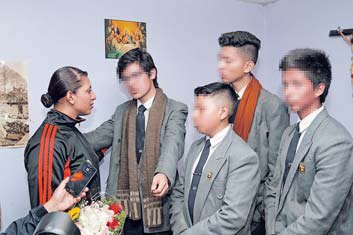
The next day, in the Economic Affairs Committee, the print edition of the investigation circulated among assembly members as reference material. A photograph of the session shows Patricio Donoso, of CREO, with the newspaper open after presenting a reform to the Mining Law.
It was the fastest institutional reaction the series produced. It was also the most fragile: ratifying a treaty does not shut down a single plant.
The legal mandate has not been fully carried out.
Marcela Aguiñaga, vice president of the National Assembly (Alianza PAIS)

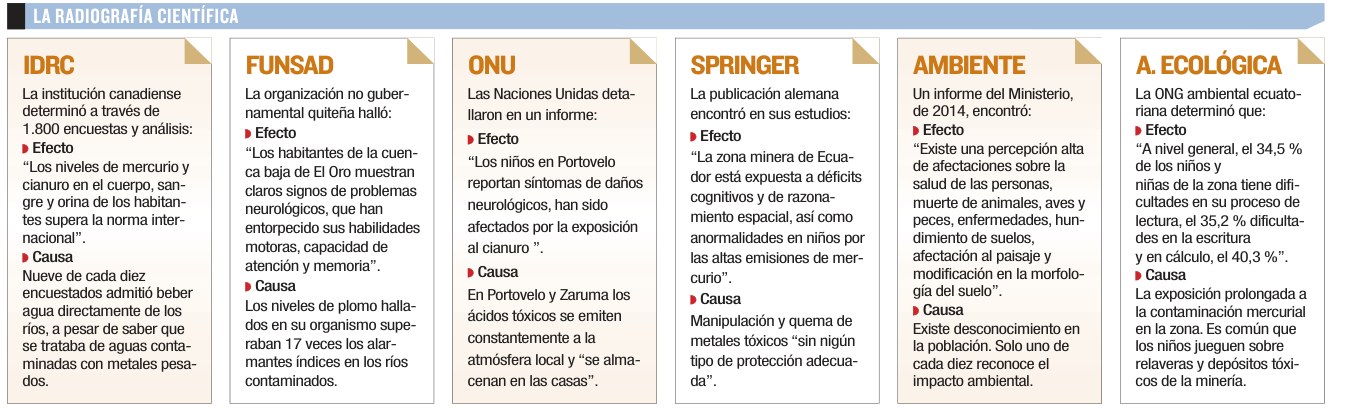
Officials and activists assess the ratification. They believe miners must be trained and monitored. The scientific picture: six institutions, one diagnosis.
In Zaruma and Portovelo, nobody celebrated. José Victoriano Ochoa, 38 years at the Zaruma municipal government, said it with the patience of someone who has seen many decrees come and go: the signature will be applauded when action follows. "Miners keep using mercury because those who are supposed to oversee that work have allowed it."
Jorge Román, an environmental activist, pointed at Arcom and its constant turnover of chiefs: each new official takes months to understand the area. Manuel Carrión, a former union attorney in Portovelo, urged them not to stop at mercury: "Cyanide should also be eradicated. It is used in greater quantities and it is also very harmful."
That installment gathered the scientific evidence on a single page. Canada's International Development Research Centre surveyed 1,800 people: nine out of ten admitted drinking water straight from the rivers knowing they were contaminated. Funsad found lead in the bodies of residents of the lower basin at levels 17 times higher than those found in the rivers. The United Nations recorded symptoms of neurological damage in children in Portovelo. Acción Ecológica found that 34.5% of children in the area had reading difficulties, 35.2% had writing difficulties and 40.3% had difficulties with arithmetic.
The Environment Ministry itself, in a 2014 report, acknowledged "a high perception of harm to people's health." Only one in ten residents recognized the environmental impact.
Miners keep using mercury because those who are supposed to oversee that work have allowed it.
José Victoriano Ochoa, former municipal official in Zaruma

Six institutions, one diagnosis. Reconstruction of the chart published on April 7, 2016.
Mercury and cyanide levels in residents' bodies, blood and urine exceed the international standard.
CauseNine out of ten respondents admitted drinking water straight from the rivers.
Neurological problems that impair motor skills, attention and memory in the lower basin of El Oro.
CauseLead in the body at 17 times the levels in the rivers.
Children in Portovelo report symptoms of neurological damage from exposure to cyanide.
CauseToxic acids are constantly emitted and "build up inside homes."
Cognitive and spatial-reasoning deficits and abnormalities in children from mercury emissions.
CauseHandling and burning of toxic metals without protection.
High perception of health effects, animal deaths, land subsidence.
CauseOnly one in ten residents recognizes the environmental impact.
34.5% of children with reading difficulties; 35.2% with writing difficulties; 40.3% with arithmetic difficulties.
CauseChildren commonly play on tailings ponds and toxic deposits.

The mayors of Zaruma, Jhansy López, and Portovelo, Paulina López, face the investigation. A binational conflict with Peru on the horizon.
Two mayors, two interviews, one shared confession. Jhansy López, of Zaruma, was the most direct: "The mining industry doesn't give a damn about the environment. It cares about making its profit. You pass by the river at eight at night and it's full of sand because everybody dumps their waste." We asked him how many times the environmental bond that miners post before extracting had been enforced. "Not once. Zero. It isn't applied."
Paulina López, mayor of Portovelo and an ally of the ruling party, tried to maintain that the work was already being done without mercury. The exchange was recorded as follows:
"Well, in theory."
"Sure. In theory."
"Right?"
"No. I say in theory, because in practice..."
"In practice, we visited the mining centers and..."
"And you found them using mercury."
"Why fool ourselves?"
The mayor also revealed that the contamination was already being handled by the Foreign Ministry, because Peruvian authorities came to monitor the tailings facility and to complain. An environmental lawsuit from Peru had been put off through an agreement between presidents, the Puyango project, which had stalled. "Is it a lack of money or of will?" we asked. "Political will." Neither the Foreign Ministry, nor the Environment Ministry, nor the Peruvian Embassy responded to questions about whether there was a legal dispute over the issue.
Not once. Zero. It isn't applied. When it is applied, then there will be changes.
Jhansy López, mayor of Zaruma, on the environmental bond that was never enforced

The contamination has a human face. In Portovelo, the corner hit hardest by mining, residents stay away from the river, purify their water and buy face masks.
There were fish here once. The dark current visible from the Puente Negro bridge was the Amarillo River, where families had picnics, washed clothes and fished. Juan Merchán, a computer technician in his thirties, grew up swimming there. "Now people are afraid of the Amarillo's water. It's dead."
When Óscar Betancourt did his research a decade ago, people were still catching fish in sacks in the Amarillo and Calera rivers. The mayor of Portovelo said that a year earlier, during an inspection, her staff found a fish and stood staring at it for a while. It may have been the last one.
In Portovelo, the trash cans are empty cyanide drums, their labels still legible, which are sometimes also used to collect water. Gina Aymara, an activist, has a water purifier in her kitchen and face masks stored in a drawer that she doesn't use. "But that doesn't change the fact that I'm afraid to breathe." In the area's air, toxins are ten times above the international limit.
Gina Aguilar, a psychologist and teacher, doesn't think the contamination is such a big deal. Where she does see it is in the classroom: "I've noticed that our children don't grasp things. It's not that they're slow. It's that they don't grasp them." She had not heard of the Acción Ecológica study that in 2012 measured learning deficiencies in 40% of children in the area. One of her students, Daniel, is eight years old, the son of a miner and the grandson of a fisherman who came looking for gold. He wants to be a miner, or a gold hunter, as he puts it. To be like his grandfather, he would have to leave. There are no fish here anymore.
I've noticed that our children don't grasp things. It's not that they're slow or that they don't grasp things easily. It's that they don't grasp them.
Gina Aguilar, teacher in Portovelo

Contamination from the mining region reaches 17 rivers in six provinces. Farm products from those areas undergo no government inspection.
There is no mining in Guayaquil, but there is mining pollution. Tenguel, the city's most remote parish, has four rivers with cadmium, cobalt, nickel and mercury above legal limits, according to reports from the city's own environmental department. Lawyer Inés Manzano took the case to court six years earlier, and it was still awaiting a ruling.
The damage starts at the extraction sites, but it doesn't stay there. The National Water Secretariat acknowledged in 2010 that the Estero María, Bogotá, Santiago and Tululbí rivers in Esmeraldas were unfit for human consumption because of mining. In 2012 it reached the same conclusion for the Coca, Salado and Quijos rivers in Napo. In neither case did it issue an alert to inform the public.
The Puyango basin carries the toxins as far as northern Loja, from Catamayo to Zapotillo, according to an atomic energy commission hired in 2010 by the municipality of Puyango. And it continues into the Tumbes River in Peru, where reports from 2004, 2006 and 2014 warned of contamination imported from Ecuador, present in seven departments.
The most sensitive part is what ends up on people's plates. Technical reports from Guayaquil found heavy metals in samples of bananas and cacao from Tenguel. Residents, Manzano said, are afraid to talk about it for fear they won't be able to sell their harvest. The Health Ministry did not answer questions about what controls it carries out to keep that milk, that fish and that fruit from reaching other cities.
Residents of that area are afraid to bring up the contamination for fear that their banana and cacao crops won't be able to be sold.
Inés Manzano, environmental lawyer

What happened to the mercury, to Zaruma and to the river after the series.
On April 5, 48 hours after the first installment, the full Assembly unanimously approved ratification of the Minamata Convention. Ecuador deposited its ratification in July 2016.
After the series, the Assembly moved forward on banning the use of mercury in mining and ratified the Minamata Convention. The report received an honorable mention from the Roche Award for Health Journalism. The jury's report is published at premiorochedeperiodismo.com.
Ecuador submitted to the Minamata Convention its National Action Plan to reduce and eliminate mercury in artisanal and small-scale mining, as required by Article 7 of the treaty.
Farmers and environmentalists in the Peruvian department of Tumbes gathered on January 25 to protest mining discharges coming from Zaruma and Portovelo. A study by the National University of Trujillo (2019) confirmed cyanide and heavy metals in the water. Some 200,000 people at risk, according to the organizers.
On the night of December 15, a sinkhole opened in the center of Zaruma and forced families to evacuate. Residents blamed the illegal mining that keeps tunneling beneath the city. The remediation took nine months and cost 3.45 million dollars, carried out by the Army Corps of Engineers.
Update written in September 2026 using public sources cited at each milestone. The original series has not been altered.